My observations and recommendations for what yarns to use from my fifteen+ years of crochet and fiber work experience.
Hey Misty, what yarn should I choose for my project?
Friend! That’s a great question and I’m thrilled you asked me about it! This is one of those topics that I can talk on for hours with very little prompting. My off-the-cuff TED talk material, or yarn, if you will. Ahem. First off I want to say that I’m not a yarn snob and if you came here to read me talk shit about this yarn or that yarn, you can just move on down the internet super highway because you won’t get it here. If you like the yarn you are using, I love that for you. If you don’t love it, let’s figure out why and maybe get you to a better place.
TLDR; the best yarn for your project is the yarn that you are comfortable working with, that you can afford, and that gets you to a completed project.
So now that I’ve given away the last chapter up front, lemme do some expanding based on my more than fifteen years of experience crocheting and making art with fiber…
First rule of Misty’s yarn club: Try not to give anyone an allergic reaction
People are routinely allergic to a lot of natural fibers, wool being the worst offender. I learned early on to ask if the person I was giving my hard work to was allergic to the materials I regularly use. It’s zero fun to put hours into making a scarf or a hat to give to someone who can’t wear it because they are allergic. Not to mention, it’s not much fun for them either!
So before I start, I either sneakily work this question into general conversation if I want the gift to be a surprise or I just go direct and ask, “Are you allergic to wool or other natural fibers?” (Alpaca and mohair are pretty regular additives to yarn so it’s not always wool that people are allergic to. People aren’t usually allergic to cotton but it’s surely possible.) When in doubt, go acrylic. This always works for people with allergies.
I also like to go either acrylic or cotton if I’m making for a baby. Wool can sometimes irritate a new born’s skin and you don’t want Mama and Dada to have a stroke trying to figure out what is causing that rash. Also new parents DO NOT have time to gently hand wash a blankie that Junior just spat up on. That biz is getting chunked into the hamper and then four days later into a massive load of baby laundry. If you are very lucky, the sleep deprived parent will remember to hang it up to dry. Don’t give an unusable gift of hard-to-care-for wool to someone who is trying to figure out how to keep a new human alive. Don’t do it.
Next rule of Misty’s yarn club: $$$
Next consideration is price. Hand-dyed single skein yarn is expensive. Sweater quantities of wool for a fat person (hello, I’m a fat person) are nearly always cost prohibitive. Almost all of the natural fibers are gonna gettcha right in the wallet with the exception of cotton. Cotton is usually pretty affordable but cotton comes with it’s own set of issues that I’ll talk about later.
If you are new to fiber arts and don’t know where to start, acrylic is a very economical choice for beginners! I used acrylic for YEARS before I got into more expensive fibers. If you are standing in front of the yarn wall at Michael’s and don’t know what to get, grab a solid, light color of worsted weight, (it’ll have a number 4 in a skein of yarn symbol) acrylic yarn and a 5mm hook. This is the absolute best for practicing when you are first getting going. (Solid, light colors are easier to see all the anatomy of your stitches while you are learning.)
The inevitable fiber stash
Now most people who get into fiber arts eventually start a fiber stash. You buy for a project and don’t start it right away. You buy because there’s a great sale! Your mom’s neighbor’s church has a rummage sale and you nab a tub of yarn for $10. People find out you are learning to knit or crochet or weave and they have yarn stashed and they want to give it to you. I promise you this is how it works.
And at first, you’ll take it all because you don’t know what you might need or want. But sooner or later you’ll run out of room. This is when you’ll have to start being picky and start curating what you have and what you are willing to bring into your space. When that happens, don’t be afraid to Marie Kondo that shelf, four tubs, and seven plastic bags of yarn. Either pay it forward to someone else or put it on Facebook Marketplace for a porch pickup.
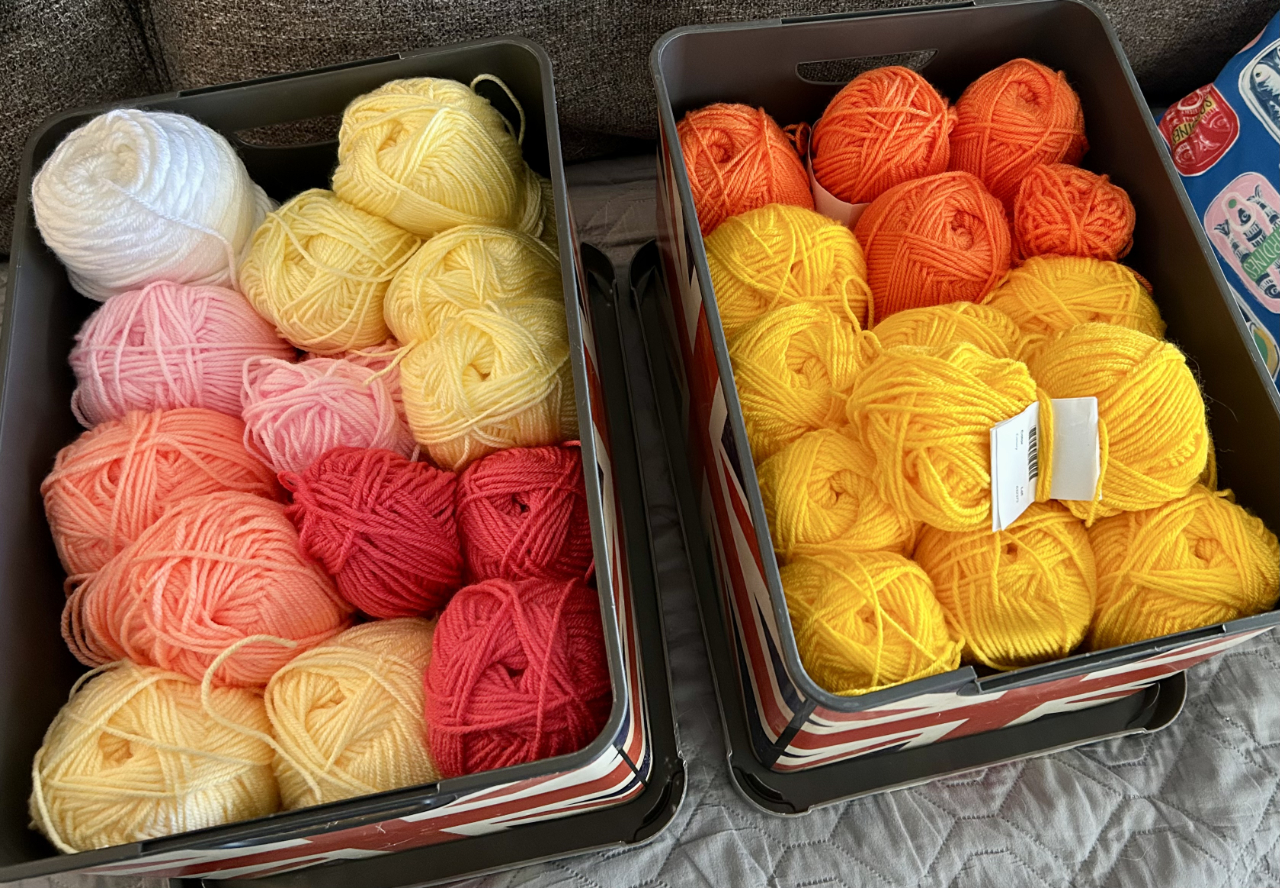
Yarn multiplies in the dark so I’ve found that there’s always more somewhere. But buy only what you like and can afford. If you can’t afford much, check some of these places I’ve mentioned. Also, don’t be afraid to repurpose/redye yarn from thrift store clothing. There’s loads of info online on how to do this. I love Ash Bentley and she talks about it in a few of her videos on her YouTube. Just know that if it’s acrylic, it probably won’t take any dye so the color it is, is the color it is. And if it has natural fibers you’ll be able to dye it but you’ll likely have to handle it with care in the dying process to keep it from felting.
Classism and yarn
Imma drop a little sidebar here about how you might run into someone (or a group of someones) who will insist that you only use natural fibers because they are “better” – which translates to more expensive! I heard this a lot fifteen years ago when I first got started and it was pretty much ALWAYS from the well off, older, white ladies at the yarn shop who also looked down on me for crocheting instead of knitting. (For real, I once had a sales lady turn her back and walk away from me when I said I was a crocheter.)
I think that the mood is overall better than it used to be in regards to this but there are still pockets of it around. If you catch a whiff of this, feel free to exit the environment (walk or run and flipping a double bird as needed – I ain’t the boss of you!) and then if you need to vent, drop me an email.
Yarn is for everyone and if someone is gatekeeping over what you should or shouldn’t craft with, ditch’em and take your money someplace that supports this.
The last rule of Misty’s yarn club: Whatcha making?
I’ve touched on this a bit already. Who you are making for and what you are making are key ingredients to picking yarn. But also, what are you most comfortable working with?
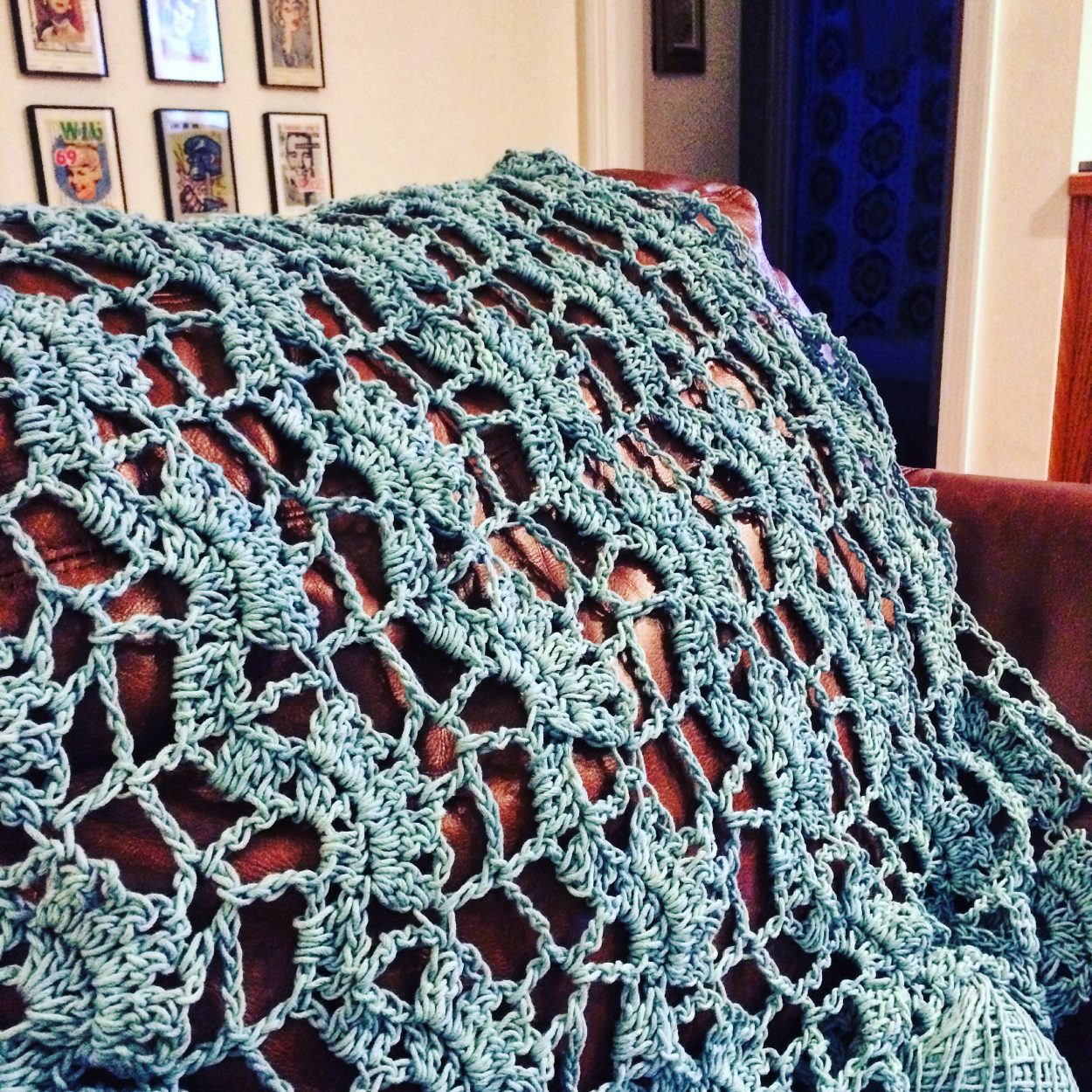
I love the feel of cotton! Love the feel of it on my skin and how projects look so smooth when they are first finished (the header picture is a cotton shrug I made years ago). But I HATE working with cotton because it doesn’t have any stretch but still manages to stretch out and get misshapen with a little wear. So guess what? I don’t use cotton except to make dish cloths. I wash dishes with knit or crocheted wash cloths because I love to make quick, easy, and beautiful patterns and I love how they feel to use.
Acrylic
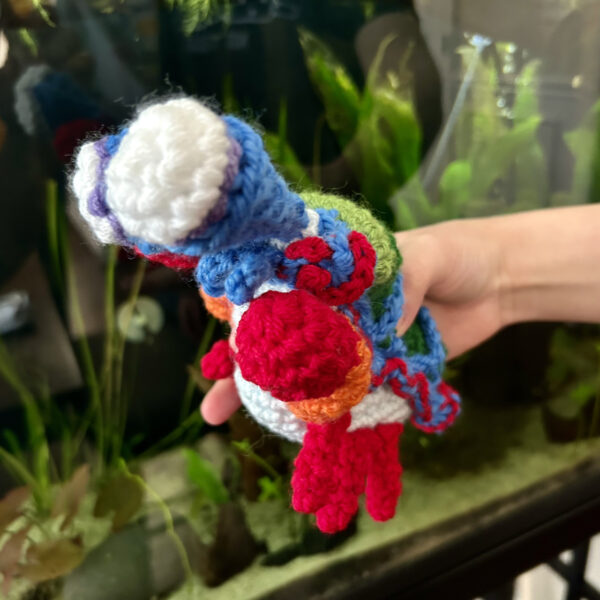
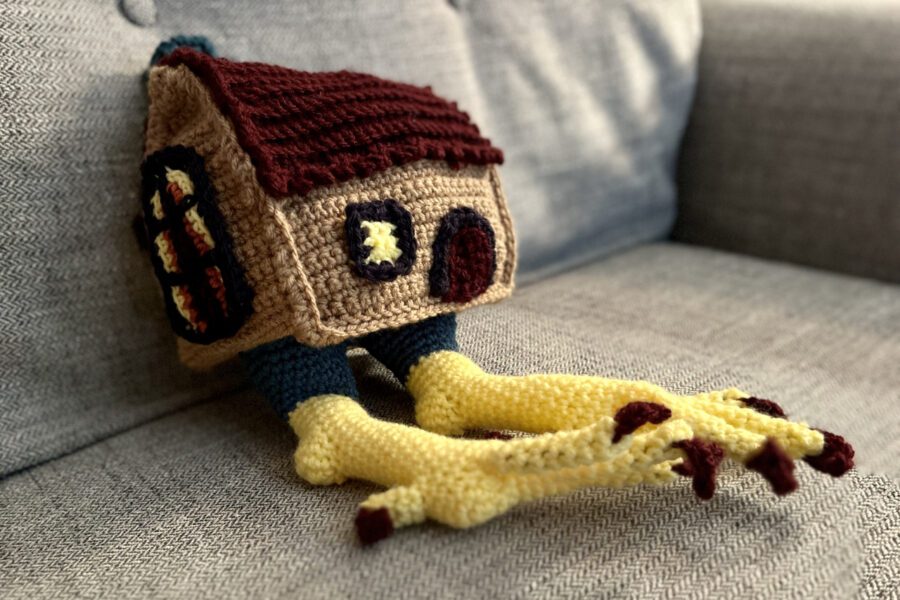
Acrylic has so many uses! I’m a huge amigurumi maker and I use almost exclusively Knit Picks Worsted Weight Brava acrylic for making toys. There’s a huge range of colors, it makes up and lasts well, and it’s economical. (I’m not getting any revenue from that recommendation, it’s just what I use.) I used Vanna’s Choice from Lion Brand for years before that but I finally stopped using it when they went with a super muted color palette and it got harder and harder to find.


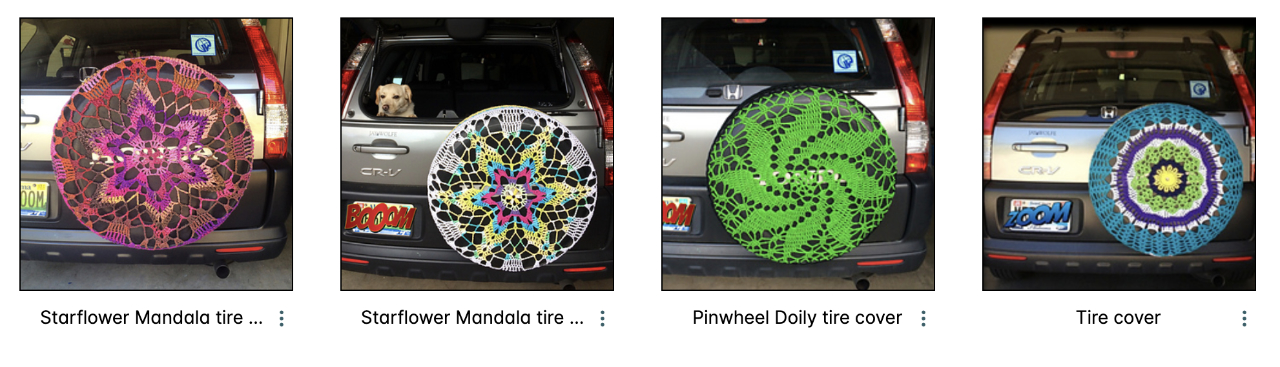
I also used to make tire covers for the tire on the back of my CR-V. Acrylic is great for any sort of yarn bombing because it holds up well in the weather. I made covers from acrylic, cotton, and wool but I was always happiest with the acrylic.
I’ve already talked about how good it is for baby things. But it’s also pretty great for throws and other housewares because they are easy to wash when they get funky.
Acrylic used to get a lotta gruff because Red Heart yarn was so scratchy and unappealing. But even Red Heart has really nice soft acrylics now. So don’t skip out on acrylics because they are supposedly “lower” quality.
Wool
There’s a lotta wool and wool blends out there. Wool is great for wearables. I particularly like it for hats and socks and anything you are wearing around your neck. It’s also great for sweaters but I live in Alabama so have almost zero need for a wool sweater. I make shawls, wraps, scarves, and cowls out of wool ALL THE TIME. I have more shawls and scarves than I wear in any given Alabama winter but I don’t care because I love to make them and I love to have the finished piece.

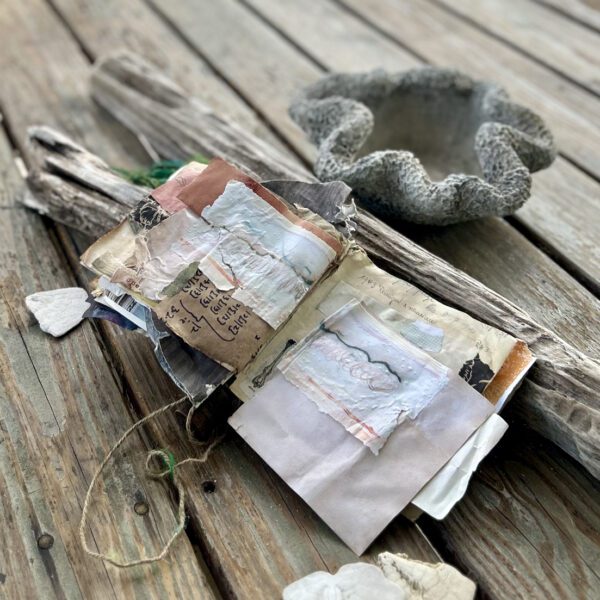
I also tend to make a lot of my art pieces with wool. This is less about preference and more about the kind of ends and bits stash I have. My mother-in-law is a prolific knitter and has a ton of yarnie friends, so she collects her friend’s end-of-project bits and they go into my stash.


The preference part is about how so much of my art is about the passage of time and how things decay. Wool decays unless it’s VERY well taken care of. There’s a good bit to unpack with this and I go into more depth in this essay about my artistic growth.
Wrap up
So there’s my breakdown of yarn. Make what you want with the yarn you can afford that energizes you enough to finish your project. And when you are finished, snap a pic and send it to me so I can be amazed at what you make! I love it when I get emails from people telling me what they are working on!
Thank you for stopping in! Nothing on my website is AI generated. Not the art I make and not the words I write. If you’d like to keep up with what I’m working on, I’d love to have you as a newsletter subscriber. I include blog posts from here, cool things I find online, and occasionally pictures of my dogs. Sign up here. Or if you want to drop me a note to catch me up on what you’re working on, email me here.