An ongoing series of interviews with folks talking about what their creative life is like. This month’s interview is Mel Mitchell-Jackson.
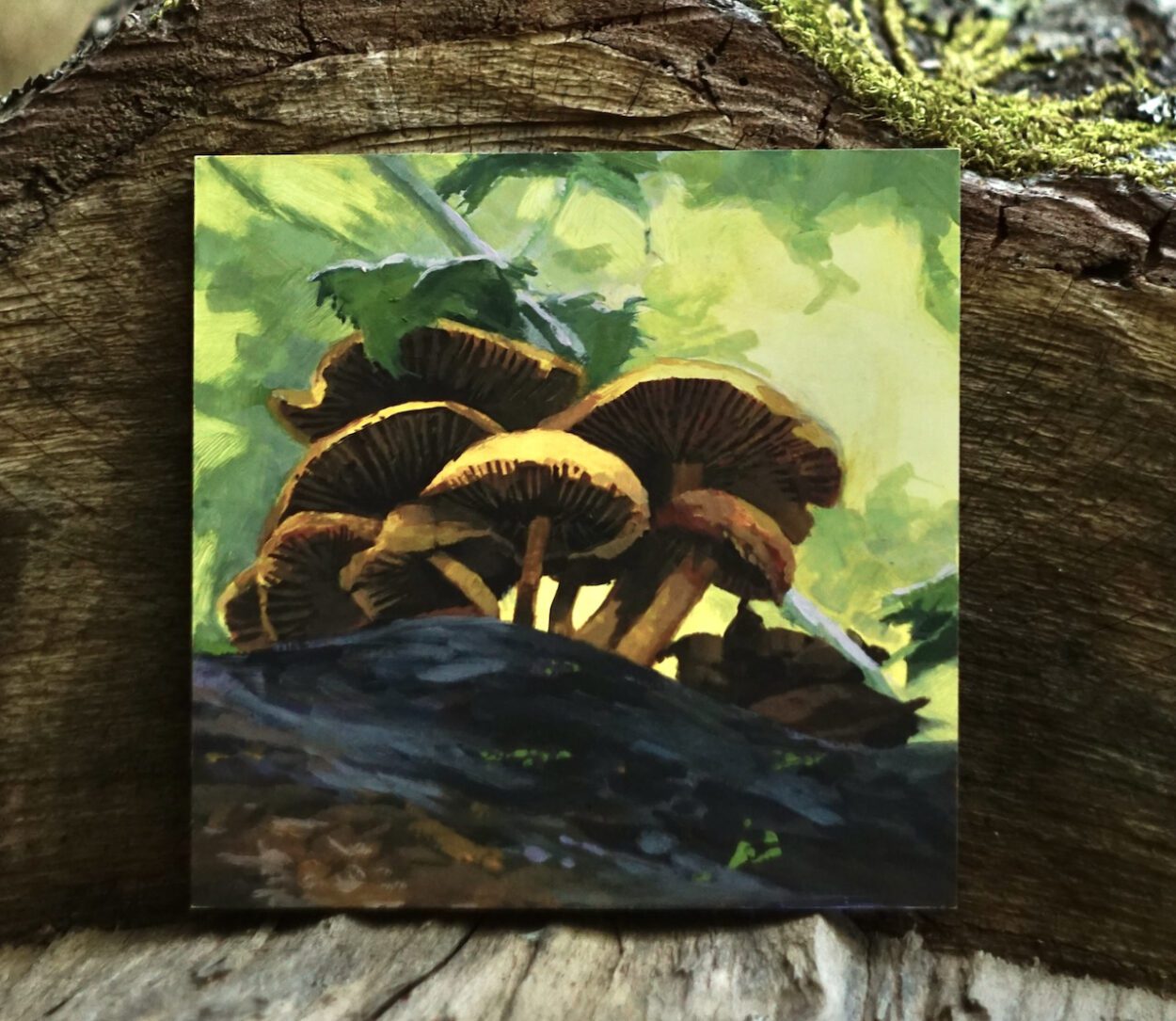
Interview with Mel
I have a set of questions that I came up with that are a little bit Krista Tippett, a little bit Danielle Krysa, and a lot bit my own curiosity. I think talking about our creative stories is a way to bind us together and encourage us to keep going on our own creative path. I’m excited to be asking these questions and to be sharing these creatives’ answers with you. This month’s interview is Mel Mitchell-Jackson.
Tell my readers a little bit about you.
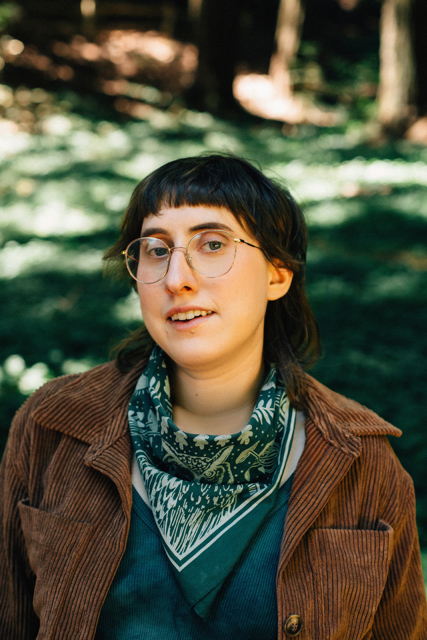
I’m Mel Mitchell-Jackson! I’m an evolving being but as of early 2026, I identify with the terms/titles of ai-sober, adventure artist, writer, retreat guide and craft tutor.
I also identify as a queer non-binary person, married to my spouse and collaborator who’s a musician, photographer, and videographer. We live in a small rent-controlled apartment with our three very sweet and talkative cats surrounded by books and musical instruments.
The five of us are currently located in the Bay Area near San Francisco, California. It’s a little too close to Silly-Con Valley for my taste but that’s OK, being an artist here feels like a really fun rebellion. I am originally from the midwest, specifically Chicago and Kansas City, MO so the cheese I am most addicted to is Mozzarella, aka pizza cheese, but I’m so lactose intolerant now it can only be a rare treat.
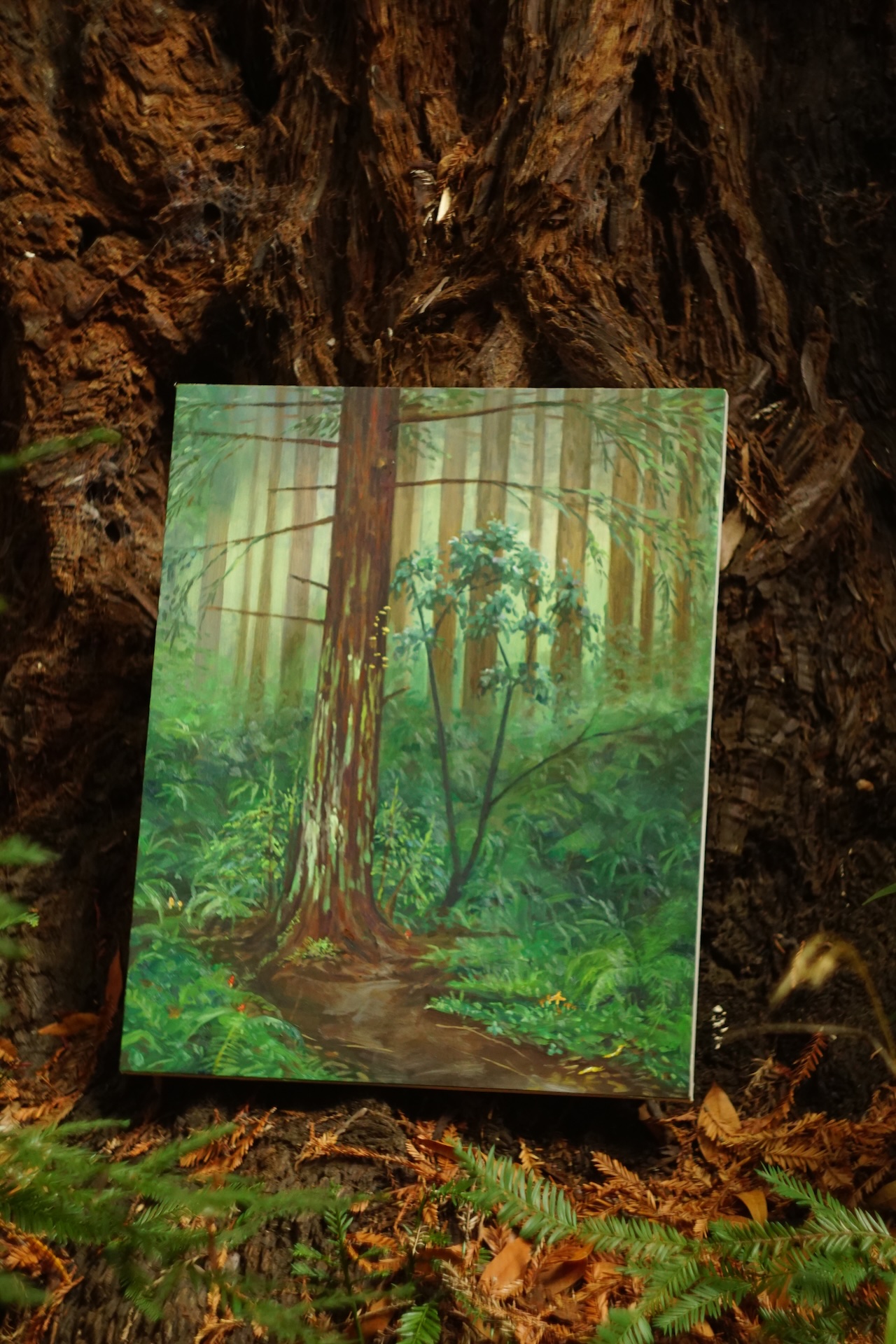
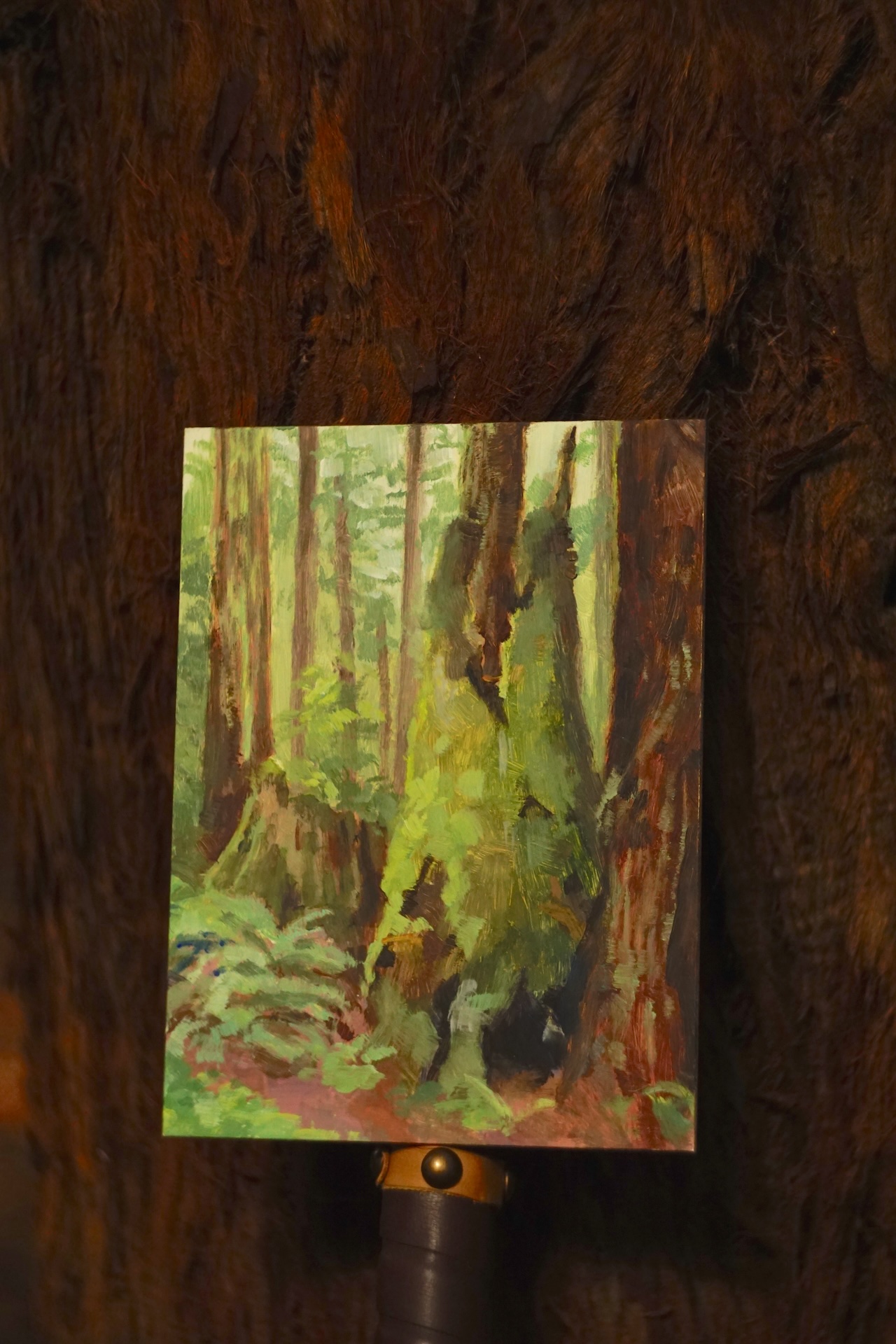
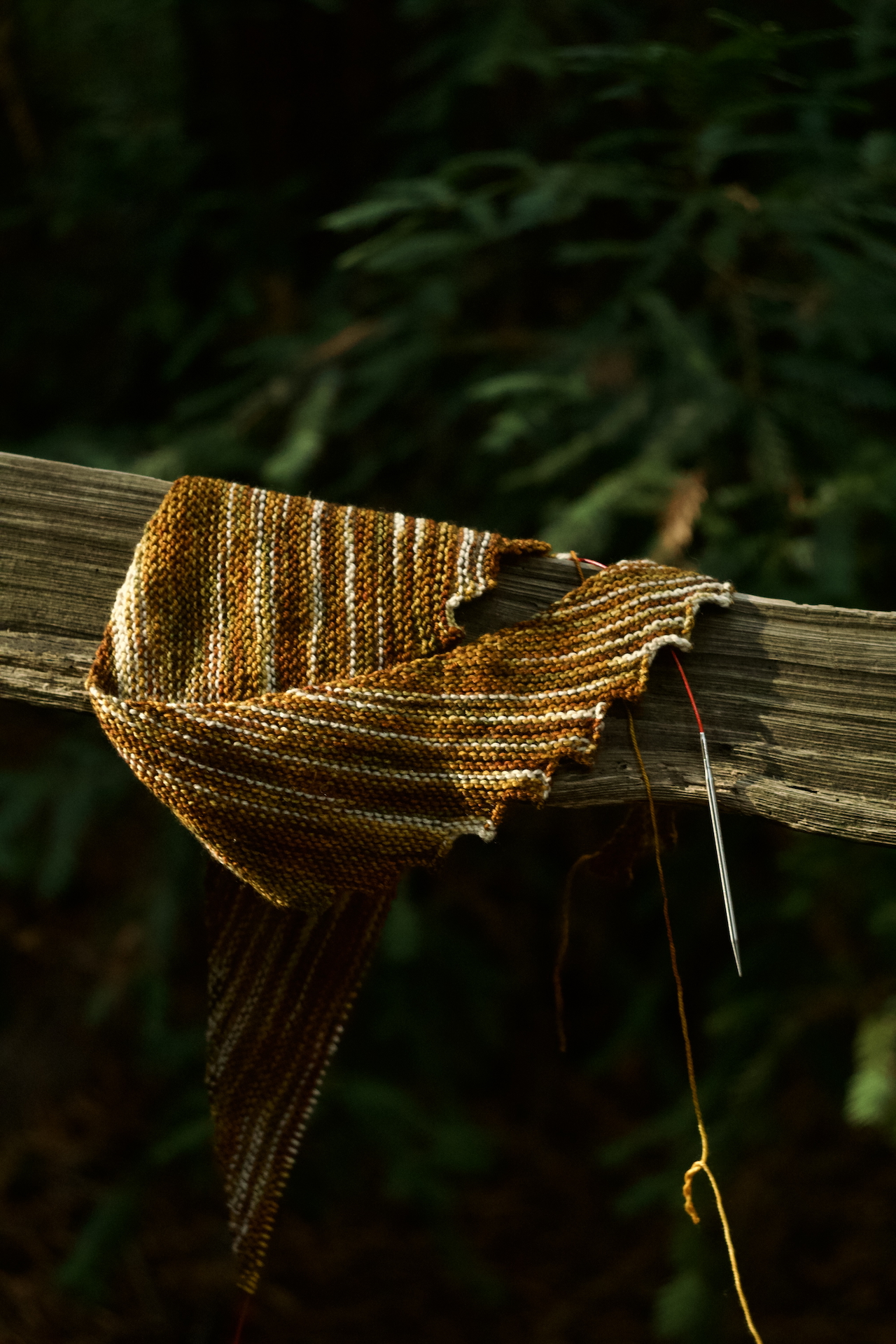
I love to make paintings, drawings, photographs, fill sketchbooks, glue together collages, knit, write songs, play music, and eat sandwiches outside. My best work is inspired by my observations and time in nature. I love living in Northern California, the ecology of the coastal Redwood Forests is pure magic.
What is your first memory of creativity?
My grandfather was a union lithographer (print maker), and my grandmother was a painter. I was lucky enough to get them as bonus parents to take care of me while my parents worked super long hours. My grandfather would bring home reams of paper scraps and I would paint and draw on them with crayons constantly through my grandma’s encouragement to watch less of the “boob tube” (T.V.) I also have vivid memories of playing a little Yamaha synthetic piano on the grey carpeted floor of their living room and loving every second of it.
I have a similar memory of paper from when I was a kid! My dad brought home different sized notepads from work and I was completely enchanted with the possibilities inherent in those tiny blank sheets of paper!! I drew on them but also just sat with them imaging what I could make. -Misty
What did you love to make as a kid and are you still making some variation of that now?
As a kid I was obsessed with the Roseart creativity kit. It was shaped like a briefcase, filled with markers, watercolors, crayons, colored pencils, and oil pastels. I took this everywhere with me and my current art kit is actually based on some of these materials. I’ve upgraded to Neocolor pastels and Prismacolor pencils, but I still really love when I let myself play in mixed media rather than trying to have perfect mastery of one medium.
I’ve always been a polymath, writing stories, songs, and making music. I got my first guitar at 13 and both music and art are vital practices for me, but keeping one unmonetized is vital to my well being!
What is your favorite creative supply and why can’t you live without it?
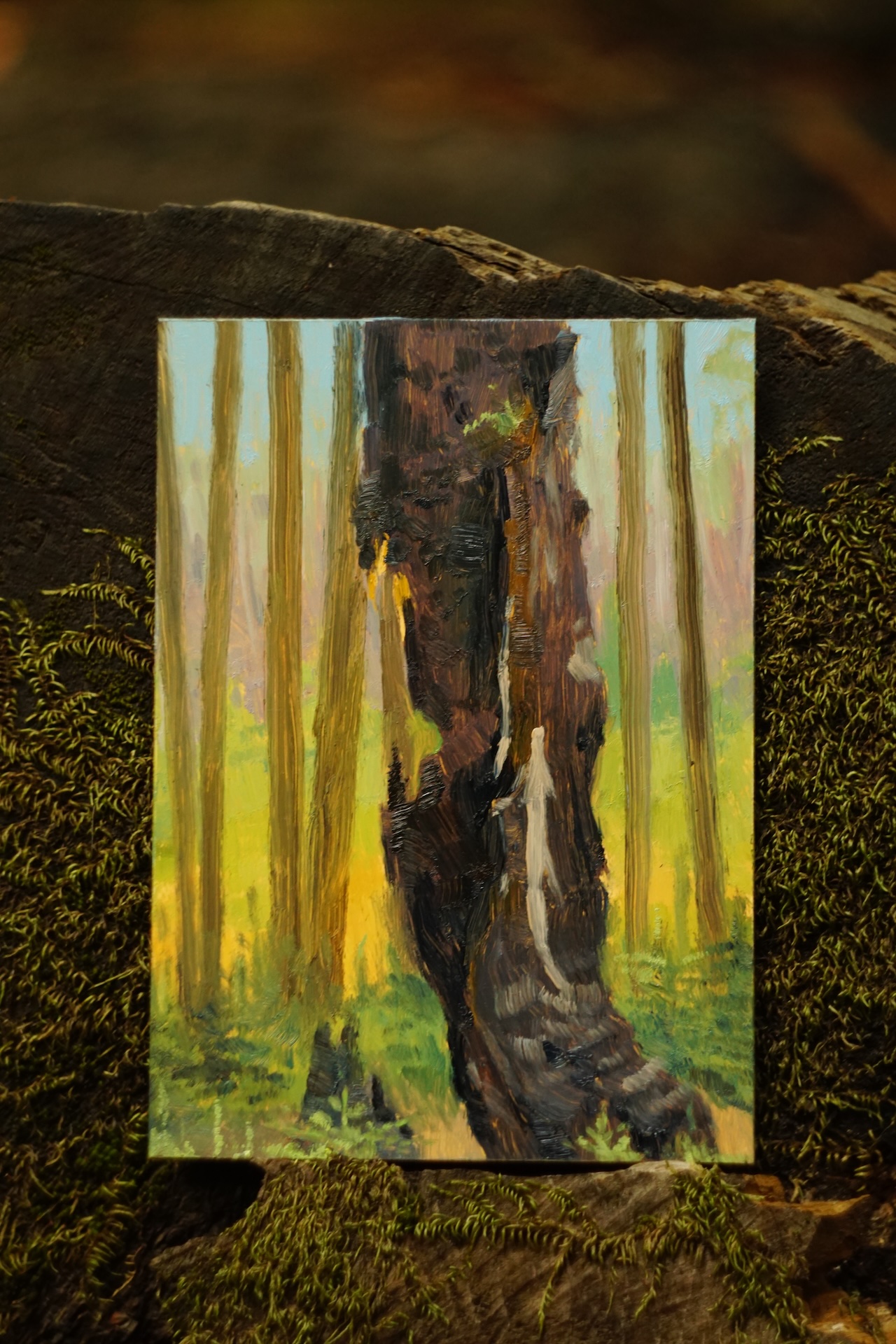
My gouache kit! I fell in love with gouache in art school as a rebellion in a department dominated by Oil Painters. I stopped painting in 2018 when I lost my studio to a gentrification-related eviction. The owners sold the studio to a developer making luxury condos! BUT gouache was the first supply I came back to after watching some of James Gurney’s videos in 2022! Its portability and price-per-use is the best of all my materials.
What is a creative question you ask regularly?
How can I show my values with this piece of art? Sometimes I feel like that comes through my subject matter, making things that are purely joyful or love letters to the land I live on. Other times, especially lately this has become more of a situation where I feel compelled to showcase my humanness, the errors, the mistakes, the weird. I am really into writing about and practicing digital wellness, having quit Instagram and TikTok this year.
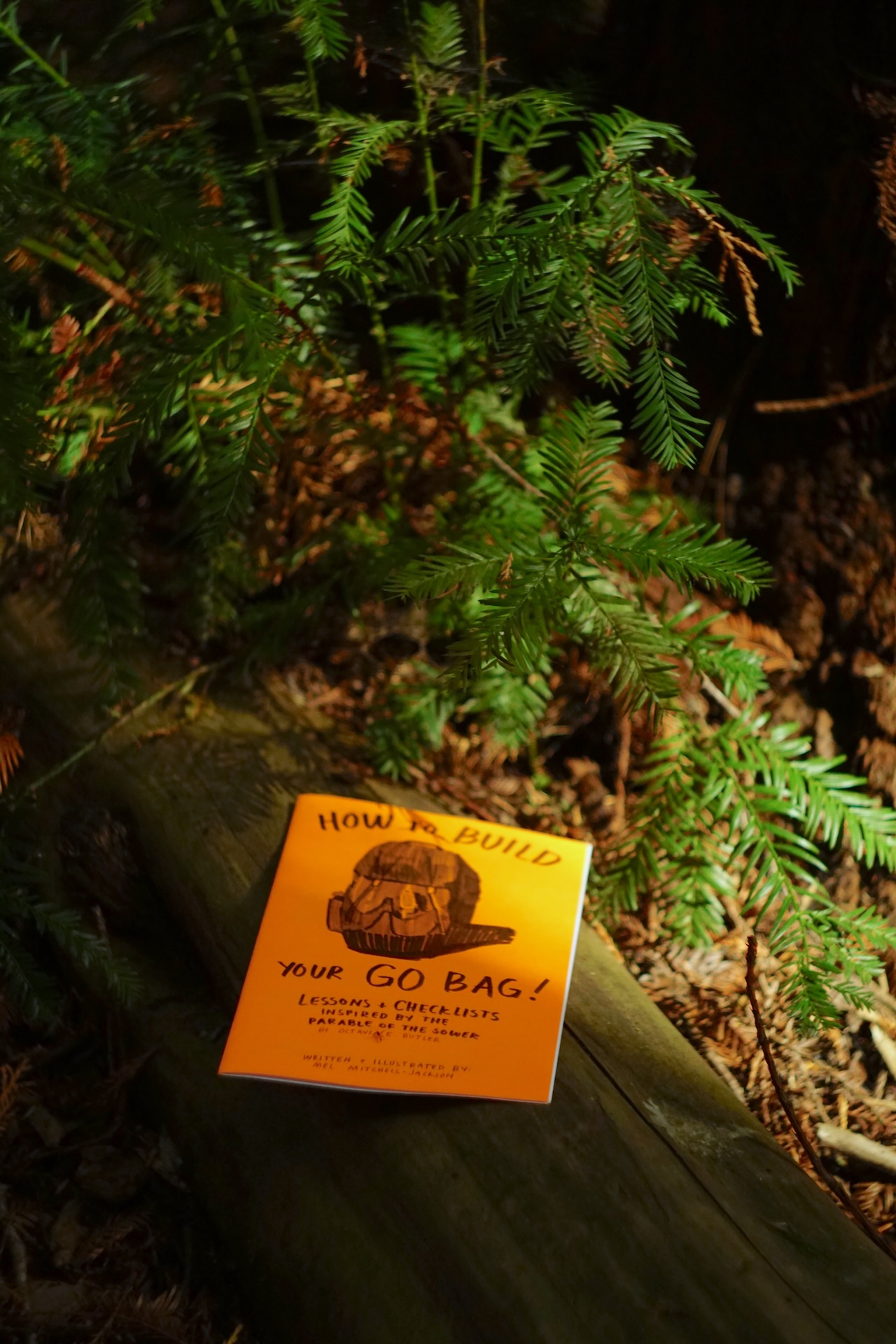
I just finished reading Syllabus by Lynda Berry and now my sketchbooking goals have changed. I want to showcase how I think, as a human. Because I teach classes, lead retreats, and offer one-on-one tutoring, I want my work to showcase the vulnerability of figuring things out in real time on paper. This is something that for years I did digitally only, with my main companion, the undo button! But forgoing layers and tech tools is a really important part of my current rebellion towards AI sobriety. I need the process itself to show my values too.
What does your creative practice show you over and over?
That rest is the best route for creating good work. I absolutely need fallow periods where I am not painting, or I am doing a creative craft I don’t have pressure around like music or knitting. Unlike a machine, I can’t create on a rapid or “consistent clip” my productivity wanes and shifts everyday so slowing down is super crucial.
When I was younger, I thought I could outsmart this. I was really into The Cyborg Manifesto by Donna Haraway and used that to justify a toxic combination of overwork and tech tools to push forward and get ahead. Back then I had a full time job at Nordstrom, selling shoes for 40 hours a week, while also running a gallery with a few other artists, and I ran the only art review publication for the city, a blog called Informality. Due to this really bad behavior on my part, I got diagnosed with an autoimmune condition in my mid-20’s because of how hard I was being on my body.
Now, time spent in nature meandering and looking is just as important as time at the easel. As it should be. I still do occasionally struggle with the seduction to work too hard as I am self-employed now. Meaning, I could be my own worst boss. The way to defeat that has really been having ways to create that feel restful, and making sure to balance them in my life whenever I can.
I have been working for a few years now on trying to tune into my body while I am creating. I am, let’s say, not so good at paying attention to signals from my body. So trying to focus on how it feels while I am making has been an ongoing practice. I want to do more! And check things off of my list! And push! And make more art faster! And I’m learning (way too slowly) that those ways of making aren’t always good for my art. It’s frustrating while also being a great lesson in giving myself grace for my own humanness. -Misty
What gets you to start a new project?
My first thought here is spite! That is definitely what it used to be, but as I’ve matured, it’s curiosity. Throughout my career my curiosity has been met on occasion with a resounding “no” or “you can’t do that” from elders, bosses, or people in my community. Following it in spite of this “feedback” has led me to some of my best places as an artist.
But now that I don’t feel like I need to prove people wrong in the same way, I am guided by what I find beauty in. I have found a lot of healing through my time spent in nature and without that, I wouldn’t be who I am today. I try to guide others to find that same level of curiosity, or to accept noticing as good enough at first.
My practice of photography, done with a hand-me-down physical camera (a Sony a6000) and some vintage lenses, allows me to do creative work slowly, with intention, collecting oodles of reference material to work from and savor later. I recently started sharing this material with paid patrons over on my Substack and it’s really cool when some of them make things with the images and post them on the Discord server I run.
As I answer this, I realize that community is another big factor to get me to start on a project, especially when it comes to my YouTube channel. I always ask, what does my community need, as balm, as advocacy, as direction. Where community meets curiosity is where a lot of my classes and teaching philosophy forms.
What is a book on creativity that you come back to often? Why?
Art & Fear! I bought the book in 2007, reread it and gave it away to someone who needed it in 2012 and then bought it again and gifted it to my spouse in 2021. Struggles with creativity are best met by the teachings in this book! I quote from it in all of my classes and now the copy I have is one of the few books I would grab in an emergency.
My spouse is known for marking up books and writing really great notes in them, so it’s now a hybrid of his observations and the original text in a way that feels so magical and right and perfect. I absolutely love this book and think it is probably the best one on creativity out there.
We’ve talked about Art & Fear a few times! I just recently linked to your vlog where you tell the pottery story from that book. It is one of my all time favorite art illustrations on making vs. thinking. -Misty
How did we meet?
Via email and Discord all thanks to YouTube! I really appreciate seeing your work, getting to take in your positive framing and perspective on the state of the world, and have you as a real pillar of our community on the Discord server!
You talk a lot about building a sustainable art practice. It’s something that you and I are both interested in. What does that look like for you? What are you always having to bump up against to relearn?
Yeah! I love this question. Sustainability in business often gets the bad rap of greenwashing or saying you’ll be sustainable, and then doing things secretly that are the opposite. (See, most corporations in the US with “sustainability” initiatives.)
For me, and for my art practice sustainability forces me to think about two main things: 1, how my energy is impacted and 2, how does a thing I’m doing interact with my values.
So, for example I stopped teaching young kids as one of my many day jobs because, as a disabled person, that took far more of my energy than it used to, even though educating kids does align with my values. I have to think of what my body can do first. This is one of the core reasons I moved my teaching practice to be entirely online, and focused on one-on-one support with folks.
This year, I injured my spine by overexerting myself, a thing I talk about in this blog post about my Apple Watch. In the process of healing my body, I had to look at many of the ways I was working that weren’t in alignment with my energy or my values. There were some client projects I was taking on that were forcing me to not take breaks or work on too tight of deadlines. I tried holding myself accountable to three videos a month, plus client work, plus making time for my art practice and the house of cards started collapsing.
I have ADHD, so for me shiny new projects always seem exciting. When I am at peak performance in my art practice, I can get so much done on a given day. However, when going through The Hikers Way this fall and helping my cohort of students adapt their art practices to their energy levels, I realized that adapting to what the day provides in terms of my disabled body (I have an autoimmune condition, and long Covid!) is far more compassionate and something I can sustain long term.
Sustainability, for me and my practices, is about recognizing that each day is different and the act of being an artist is a life-long marathon not a sprint. My grandmother, the painter, taught me how to drive and her whole philosophy was about taking the route that would get you there in the right frame of mind. While map apps can show you the fastest route to get anywhere, my grandma’s idea on life and arrival helped me remember that the most important thing is to think about how you wanna feel when you arrive.
It’s too easy to see other people on the internet who have very different bodies, different socioeconomic conditions, and different access to support do things at a quicker clip than us. But in a garden, there aren’t tomato plants looking at the cucumbers and thinking “why can’t I be that tall?!” they are just focused on their own organic need to do the best they can. It’s up to us to make sure their environment (soil, nutrients, water, sun) is giving them what they need to thrive. A lot of what we need to know about sustainability we can learn from tending to a garden.
This is why I don’t use AI, don’t post on consistent days or on a consistent schedule, and instead try to work at the speed of trust. It requires more conscious effort to work in this way, but it helps me to build a practice and a business that I can sustain across my lifetime, not something that drags me down by a pace I can’t sustain.
How can people find you?
Everything I do lives on melmitchelljackson.com.
If you want to work with me as your craft tutor you can do that here, I can lead a personalized creative retreat for you here, and you can join one of my classes here.
I’d love for you to read my writing and sign up for my newsletter on Substack, watch some of my short films and video essays on YouTube, and hang out with Misty and I over on Discord.
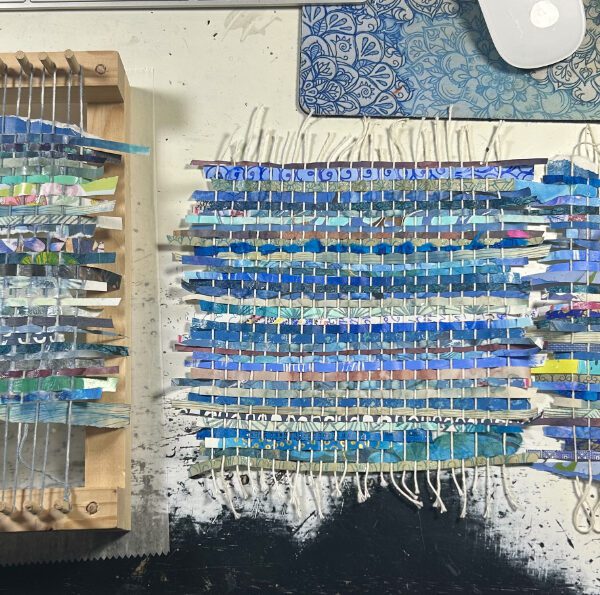
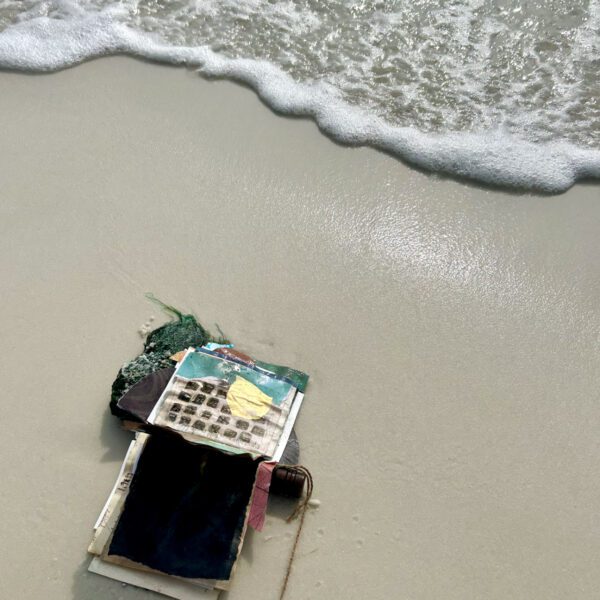
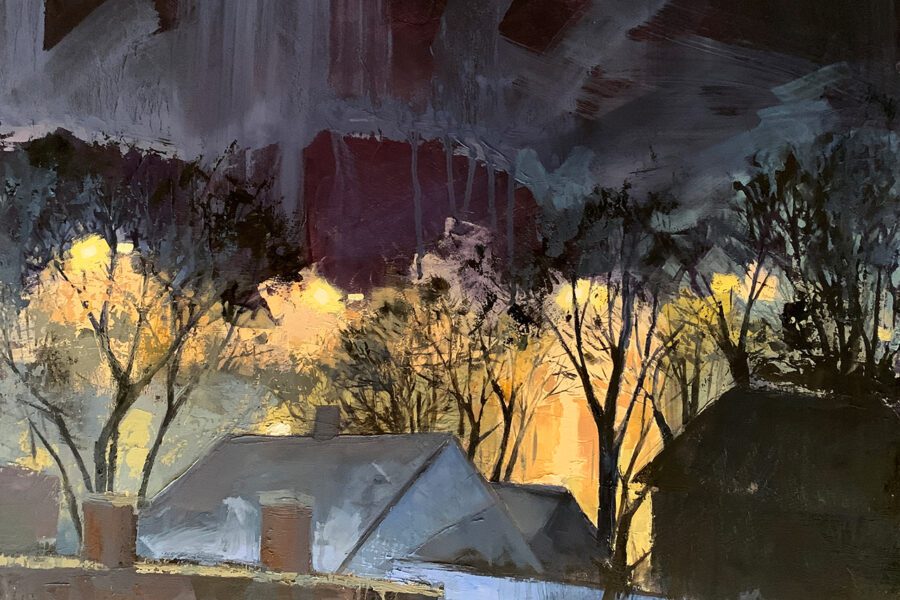
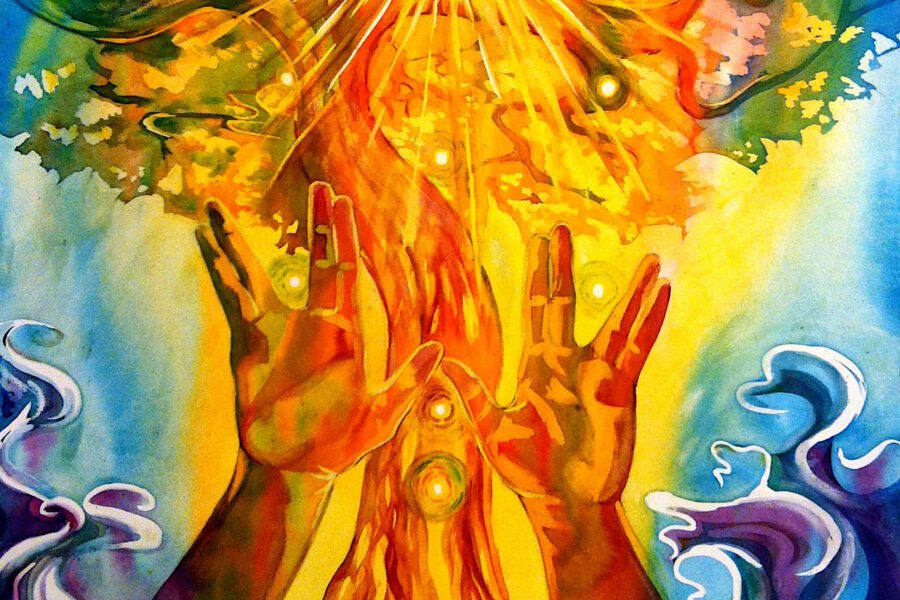
Mel, thank you for sharing your art and your creative stories with us! I had so much fun reading your answers to my questions. And I know my readers will enjoy it too. (These photos belong to Mel. She graciously allowed me use them for this interview.)
If you want to know more about this series read the post What about these Interviews? Or find the whole series of interviews here. If you are non-binary or women-identifying artist and are interested in sharing your answers to these questions and be featured here on the blog, I’d love to talk to you about it!! Let’s connect via email.
If you’d like to keep up with what I’m working on, I’d love to have you as a newsletter subscriber. I include blog posts from here, cool things I find online, and pictures of my dogs. Sign up here.